What Is Wearable Technology and How It Is Changing Everyday Life
Your watch buzzes to tell you to stand up. Your ring quietly logs last night’s sleep. Your earbuds translate a conversation in another language. None of this feels futuristic anymore, because these devices have slipped into ordinary routines. That shift is the story of wearable technology, a category that turns the human body into the interface for health, fitness, communication, and convenience.
This guide explains what wearables are, the main types you can buy, how they work, and how to choose one without overspending.
What Wearables Actually Are
A wearable is an electronic device you carry on your body, usually on your wrist, finger, head, or in your ear, that collects data, delivers notifications, or both. Unlike a phone, which you pick up and put down, a wearable stays with you. That constant presence is its superpower: it can notice patterns over days and weeks, such as a rising resting heart rate, that a single checkup would miss.
Most wearables share three jobs. First, they sense: tiny sensors measure movement, heart rate, skin temperature, blood oxygen, and location. Second, they process: an onboard chip turns raw signals into readable numbers like steps, calories, and sleep stages. Third, they communicate: results sync to an app on your phone, where you can review trends, set goals, and share data with a coach or doctor if you choose.
Main Types of Wearable Devices
Wearables now cover far more than step counting. Here are the main categories.
Smartwatches
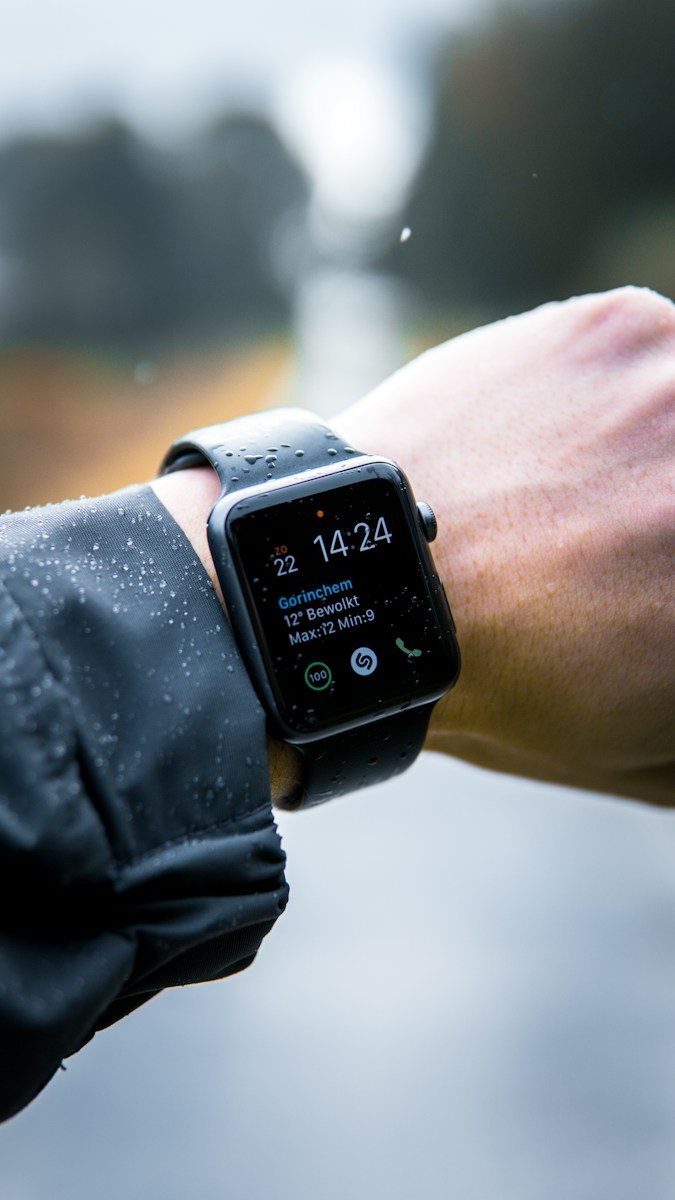
Smartwatches are the most versatile wearables. They show notifications, take calls, track workouts, and run apps, all from your wrist. Many now include GPS, heart rate monitoring, sleep tracking, and fall detection. If you want one device that does almost everything, start here. If you are shopping on a budget, our guide to the best budget smartwatch picks compares affordable models that still cover the essentials.
Fitness Trackers
Fitness bands are lighter, cheaper, and longer lasting than smartwatches. They focus on steps, distance, calories, heart rate, and sleep, with minimal screens and fewer distractions. Their batteries often last a week or more, ideal for people who want health data without nightly charging.
Smart Rings
Smart rings pack sleep, readiness, heart rate, and temperature tracking into a small band you wear on your finger. They have no screen, so they never interrupt you, and they are comfortable for 24 hour wear. They suit people who already own a watch they love, or who want detailed recovery data without another screen in their life.
Smart Glasses and Headsets
Smart glasses add a camera, speakers, or a small display to ordinary looking frames. You can take photos hands free, listen to music, or hear directions. Larger headsets blend digital objects into your view of the real world for training, design, and entertainment.
Hearables
Hearables are earbuds with extra brains. Beyond music and calls, they offer active noise cancellation, live translation, and fitness tracking. Because they sit close to the body, they can also measure heart rate and body temperature.
Smart Clothing and Patches
Smart shirts, shoes, and skin patches measure posture, running form, muscle activity, or glucose levels. Medical patches in particular are changing chronic care, letting doctors monitor patients at home instead of in a clinic. For most buyers, these are still niche products.
How Wearable Technology Works
Inside every wearable, a set of sensors does the measuring. An accelerometer detects motion and counts steps. An optical heart rate sensor shines light into the skin and watches how blood flow changes the reflection. A gyroscope tracks orientation, GPS maps your route, and a skin temperature sensor watches for fever or recovery changes. Alone, each signal is noisy. Together, they tell a story.
Software turns those signals into insights. Algorithms filter out noise, such as arm swings that look like steps, and combine signals to estimate sleep stages or workout intensity. Your phone app then displays trends, so you can compare this month with last month.
Battery life depends on how hard the device works. A simple band with a small screen can last two weeks because it samples sensors sparingly. A full smartwatch with a bright display, GPS, and cellular data may last only a day or two. That tradeoff explains why so many models exist.
Everyday Benefits Worth Knowing
- Health awareness: daily trends in heart rate, sleep, and activity help you spot changes early and discuss them with a doctor.
- Motivation that sticks: rings, streaks, and gentle reminders turn vague goals like “move more” into concrete daily targets.
- Less phone dependence: quick replies, timers, and navigation from your wrist mean fewer moments lost to scrolling.
- Safety: fall detection, emergency SOS, and location sharing give older adults and solo travelers a safety net.
- Productivity: silent alarms, calendar alerts, and focus reminders keep your day on track without noisy interruptions.
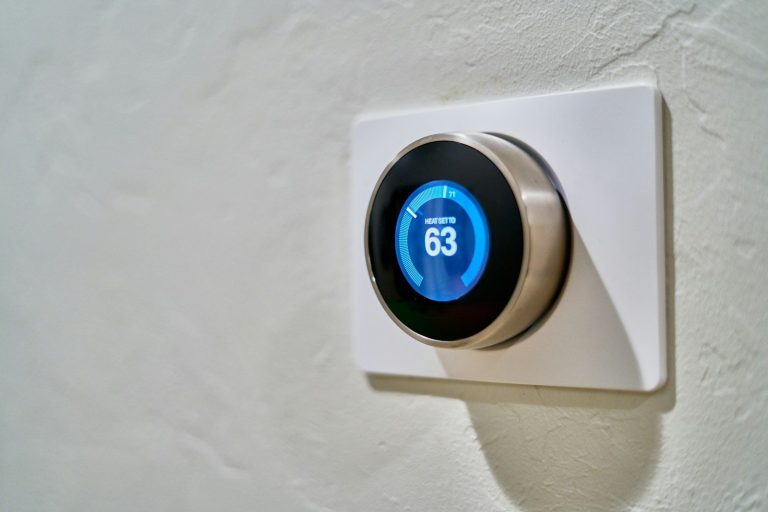
- Connected homes: many wearables now control lights, locks, and thermostats, so your wrist becomes a remote for the house. Our smart home installation guide explains how to set that ecosystem up properly.
The honest truth is that no wearable makes you healthy on its own. The value comes from the habits it supports: walking an extra thousand steps, going to bed earlier, or noticing that your resting heart rate climbs after poor sleep. Treat the device as a coach, not a cure.
Wearable Devices Compared
Use this quick comparison to narrow your choice before you shop.
| Device type | Best for | Typical battery | Typical price |
|---|---|---|---|
| Smartwatch | All round use, apps, calls | 1 to 3 days | $150 to $400 |
| Fitness tracker | Health basics on a budget | 7 to 14 days | $50 to $150 |
| Smart ring | Sleep and recovery tracking | 4 to 7 days | $300 to $400 |
| Smart glasses | Hands free photos and audio | 4 to 8 hours | $300 to $500 |
| Hearables | Music, calls, translation | 6 to 10 hours per charge | $100 to $250 |
How to Choose the Right Device
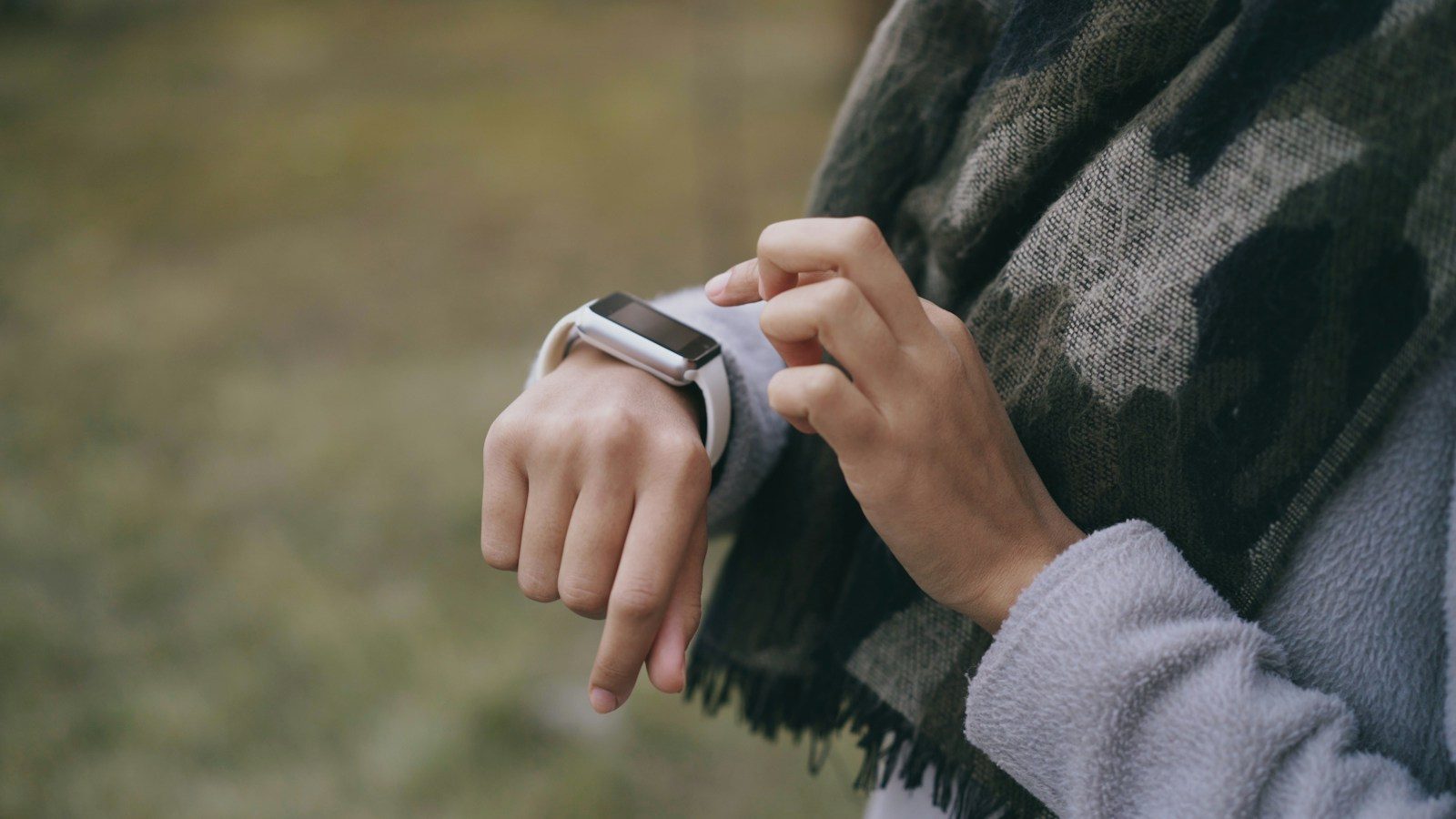
Start with your goal, not the gadget. For better sleep data, a ring or a comfortable band beats a bulky watch. For phone freedom, choose a smartwatch with cellular. For the cheapest path to step and heart rate tracking, a fitness band wins easily.
Next, check compatibility. Some watches work best with a specific phone brand, and some health features only unlock inside one company’s app. Check that it pairs with your phone, that its app is well reviewed, and that you can export your data if you switch brands later.
Then weigh comfort and battery. A device you hate wearing gives you no data at all. Be honest about charging habits: if you will not charge nightly, do not buy a watch that demands it. Finally, look at subscription costs. Some brands charge a monthly fee for advanced insights, and that fee can double the true cost over two years.
Privacy and Health Data
Wearables collect some of the most personal data you generate: where you go, how you sleep, and how your heart behaves. Before buying, check three things. First, can you delete your data? Second, is data shared with advertisers by default? Third, can you use core features without a cloud account? Choose brands that answer all three clearly, turn off location sharing for apps that do not need it, and use two factor authentication on your health account.
Also remember that consumer wearables are wellness tools, not medical devices, unless they carry specific regulatory clearance. A heart rhythm alert is a reason to see a doctor, not a diagnosis. Used that way, as an early warning system, they are genuinely valuable.
Future Trends to Watch
The next wave of wearables is moving from tracking to predicting. Devices will warn you about illness before symptoms appear, using temperature and heart rate shifts. Blood pressure and blood sugar monitoring without needles are in development, and could change chronic care. Batteries are improving too, with low power designs stretching life from days to weeks.
Artificial intelligence is the other big shift. Instead of showing you a pile of charts, future apps will explain your data in plain language: why your sleep was poor, what to change tonight, and whether your training load is too high. The line between device and assistant will keep blurring.
Frequently Asked Questions
What is wearable technology?
It is a class of body worn electronic devices, such as smartwatches, fitness bands, smart rings, and smart glasses, that use sensors to collect health, fitness, or location data for a companion app.
Do I need a smartwatch, or is a fitness band enough?
A fitness band is enough if you mainly want steps, heart rate, and sleep tracking. Choose a smartwatch if you also want apps, calls, messages, payments, and GPS navigation from your wrist.
Are wearable devices accurate?
Step counts and heart rate readings are generally reliable, while calorie burn and sleep stage estimates are approximations. Use trends over weeks, and confirm any concerning reading with a medical professional.
How long does a wearable battery last?
It depends on the type. Simple fitness bands last one to two weeks, smart rings last four to seven days, and full smartwatches usually last one to three days, depending on display brightness, GPS use, and notifications.
Is my health data private on a wearable?
It depends on the brand and your settings. Choose companies with clear deletion options, avoid sharing data with third parties by default, turn off unneeded location access, and protect your account with two factor authentication.
Can a wearable replace a doctor visit?
No. Wearables are wellness tools that surface useful trends and early warnings, but they do not diagnose illness. Any persistent abnormal reading is a reason to book a medical appointment, not a substitute for one.
Conclusion
In short, wearable technology is most useful when it fits your life quietly: comfortable enough to wear every day, simple enough to understand at a glance, and honest about what it can and cannot measure. Pick the device that matches one clear goal, wear it consistently, and let small daily improvements add up. The best wearable is not the most expensive one, it is the one you will still be wearing six months from now.